Designers
Violet Wang
Year
2026
Category
New Talent
Country
Canada
School
Brock University
Teacher
Aaron Mauro
Three questions to the project team
What was the particular challenge of the project from a UX point of view?
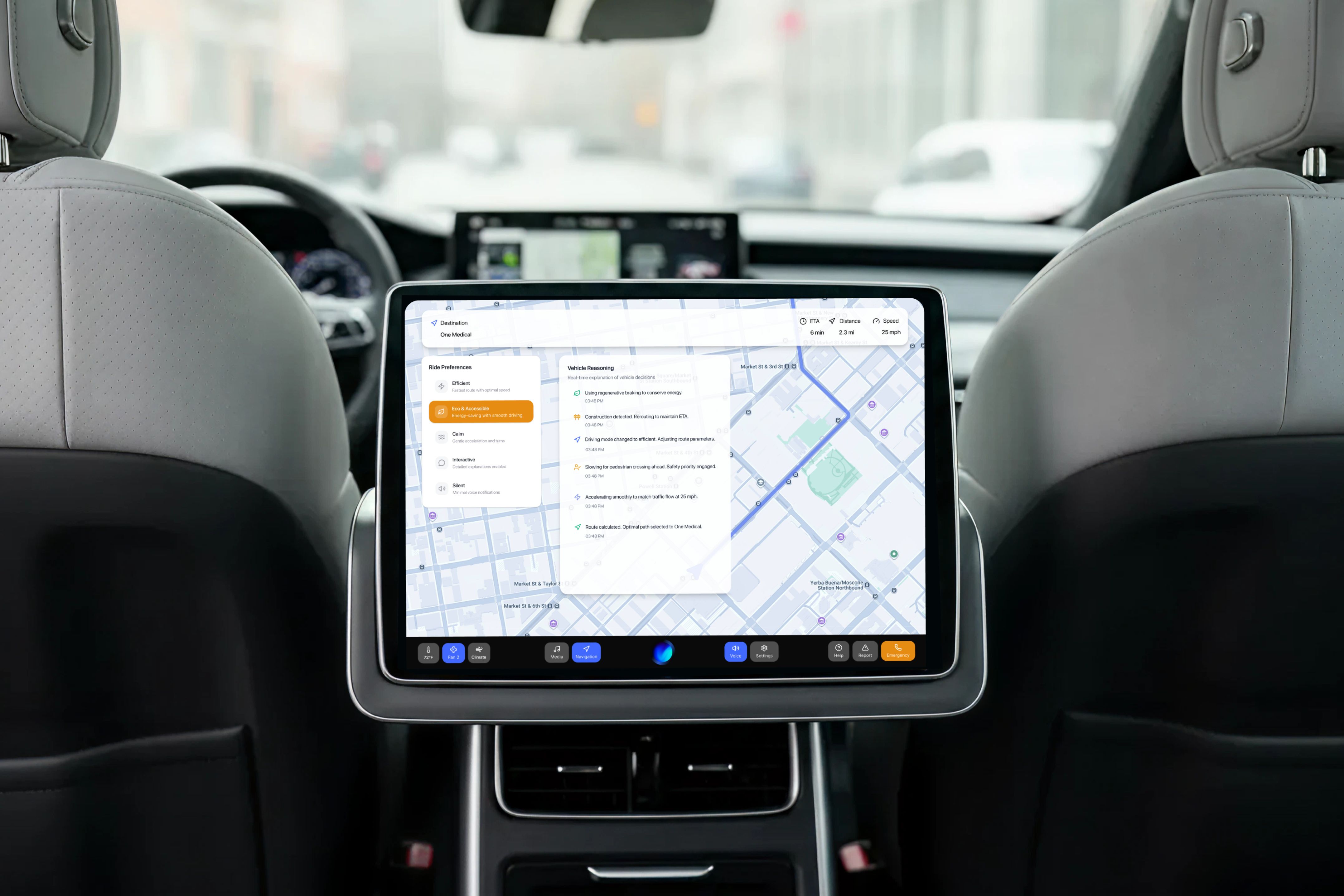
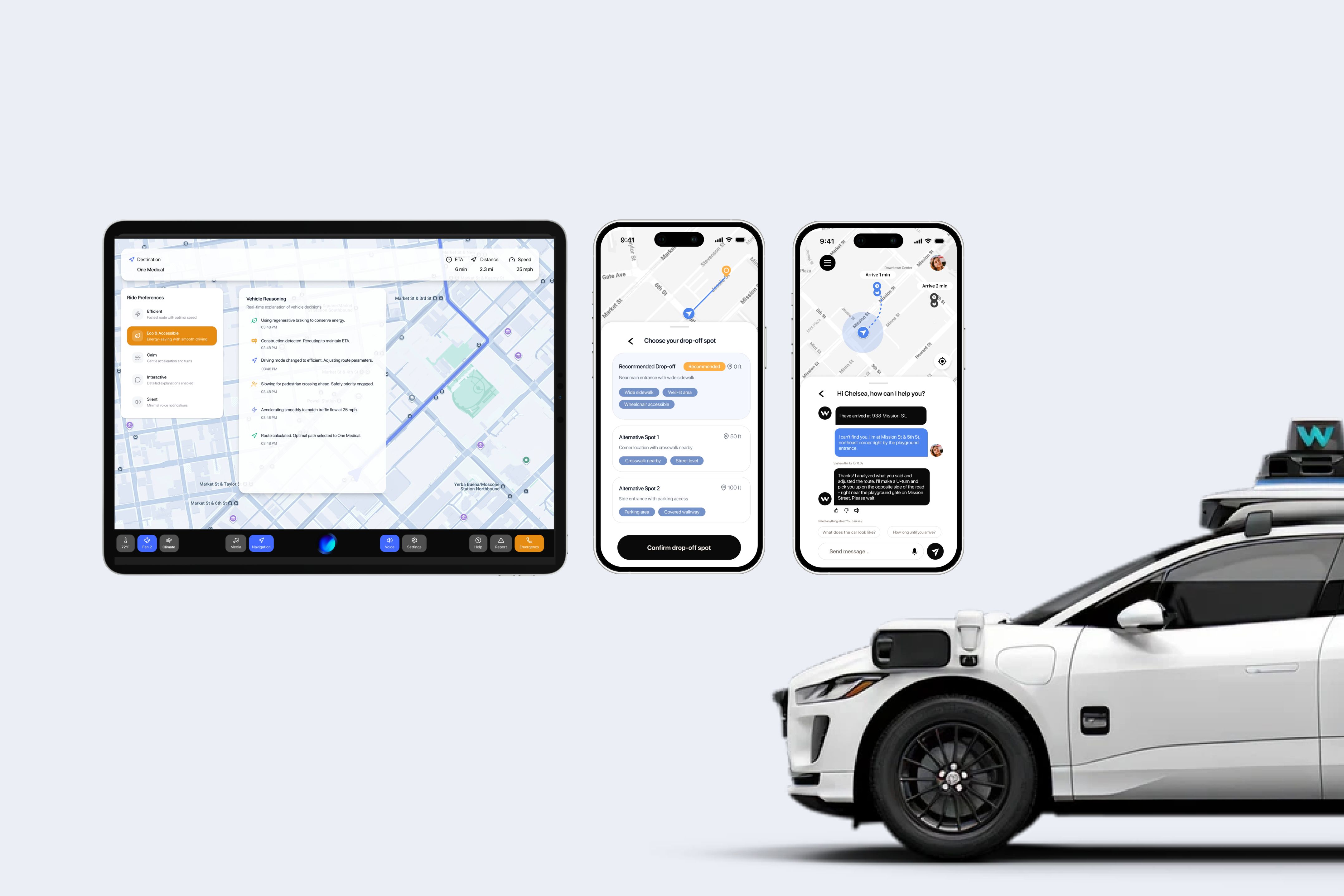
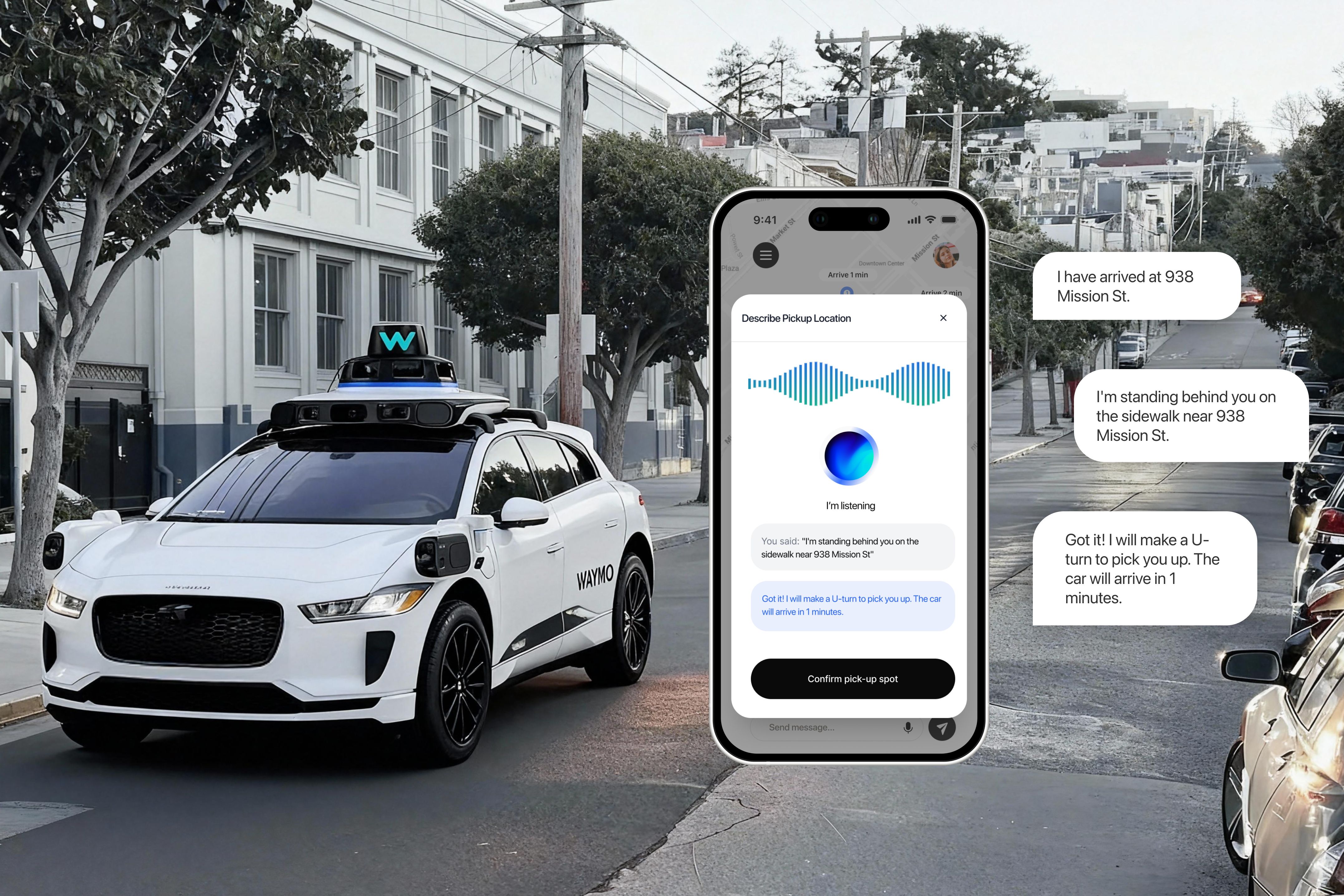
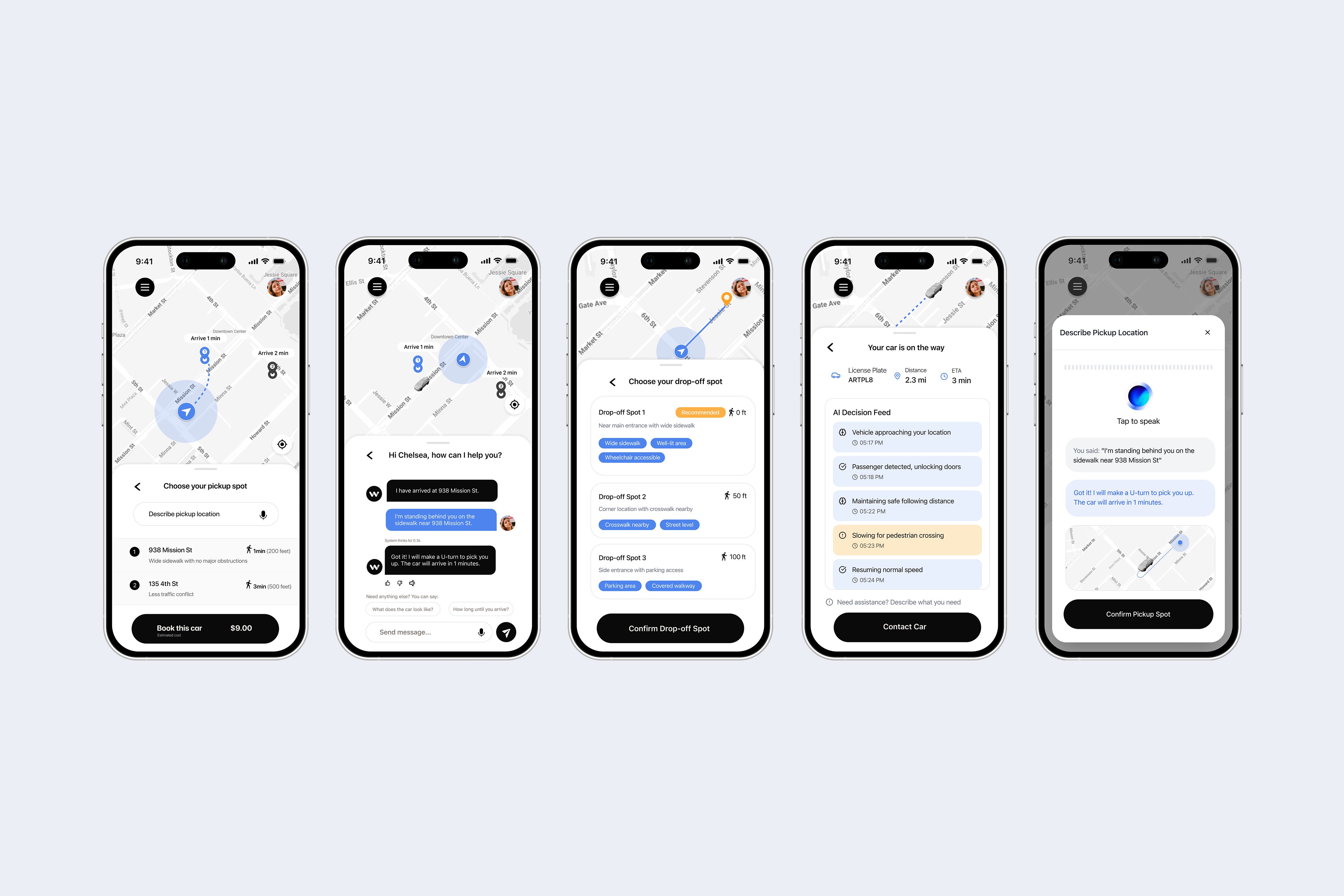
The core UX challenge was designing trust without a human driver. Traditional ride experiences rely on implicit reassurance, eye contact, verbal updates, small adjustments that disappear in autonomous vehicles. The challenge was to replace that human feedback loop without overwhelming users with technical data. This required translating complex AI decision-making into clear, timely, and emotionally appropriate communication. Balancing transparency with cognitive load - deciding when the system should explain itself and how much it should say - was key to creating an experience that felt safe, calm, and human rather than robotic.
What was your personal highlight in the development process? Was there an aha!-moment, was there a low point?
The biggest “aha!” moment came when I built and tested a working prototype using AI models (LLaMA) and Cursor. Seeing the system successfully scan the environment, evaluate real-world constraints, and clearly explain whether a location was safe for passengers with special needs was a turning point. It demonstrated that AI could meaningfully enhance - not complicate - the passenger experience. A low point was realizing how easily “explainable AI” could become overwhelming or patronizing. This led to a breakthrough: explanations should be selective, contextual, and emotionally aware. That insight directly shaped Clara’s Decision Feed and voice responses, turning raw system logic into reassurance rather than noise.
Where do you see yourself and the project in the next five years?
In five years, Clara could evolve from a concept into a design framework for human-centered autonomy, informing how voice, transparency, and accessibility are integrated into autonomous systems beyond taxis, including delivery robots and assistive mobility services. Personally, this project has defined a design direction centered on AI-human collaboration, accessibility, and trust. It reinforced a belief that future UX designers must shape not just interfaces, but relationships between people and intelligent systems. Clara represents the kind of work I aim to continue: translating advanced technology into experiences that feel humane, inclusive, and emotionally intelligent.