Designers
Meta Wearables Design Team
Year
2026
Category
Product
Country
United States
Design Studio / Department
Wearables Design
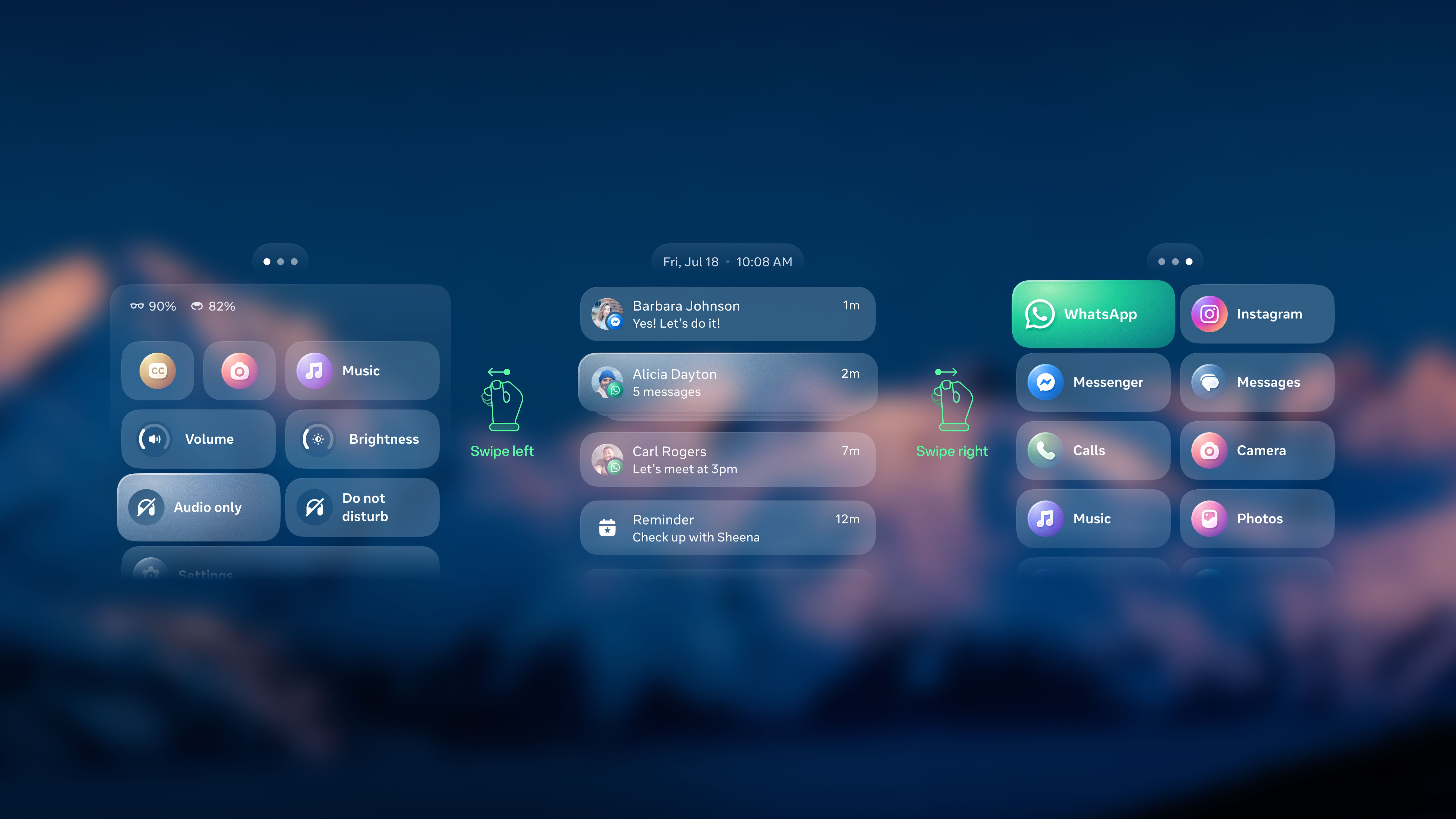
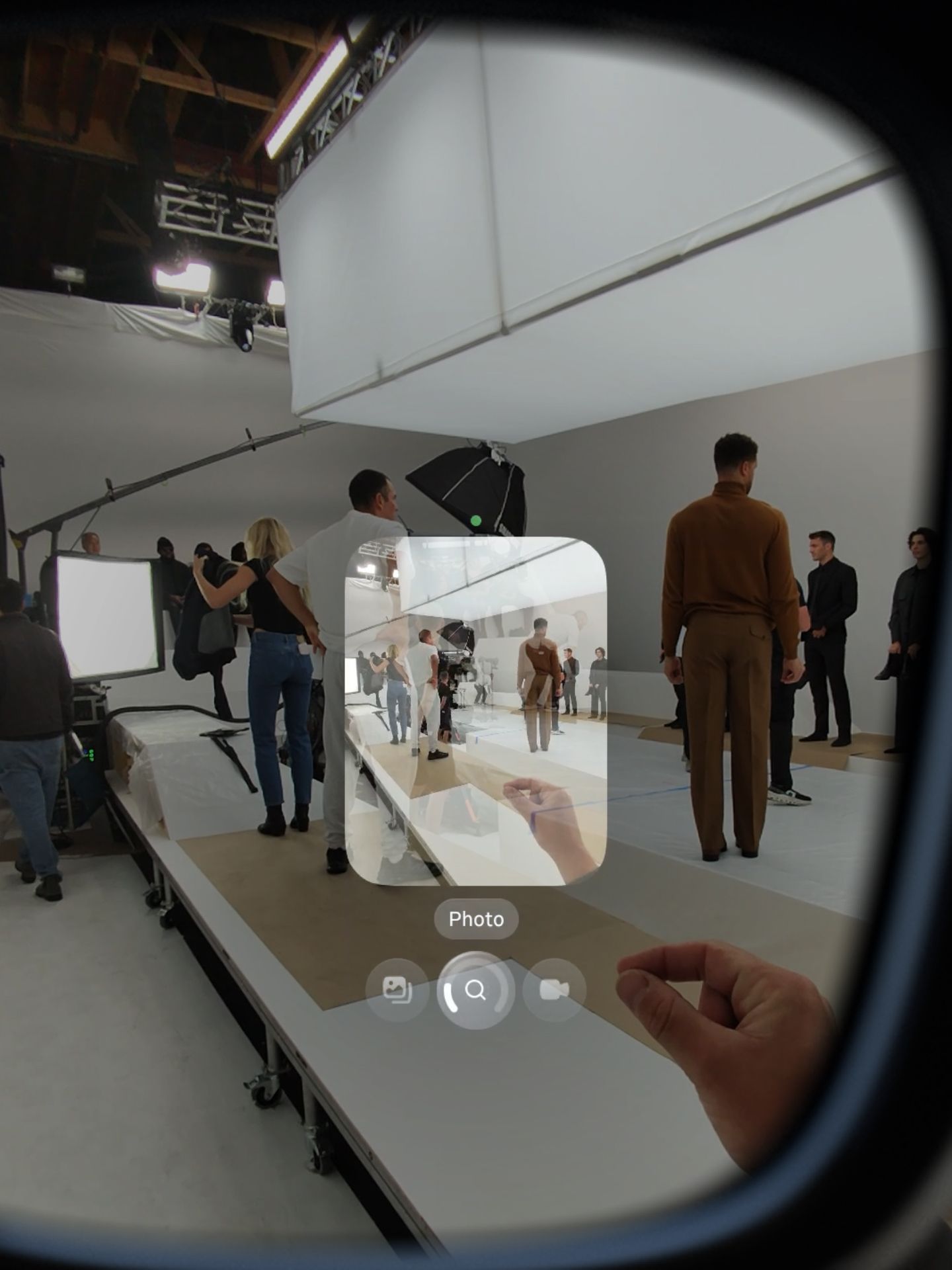
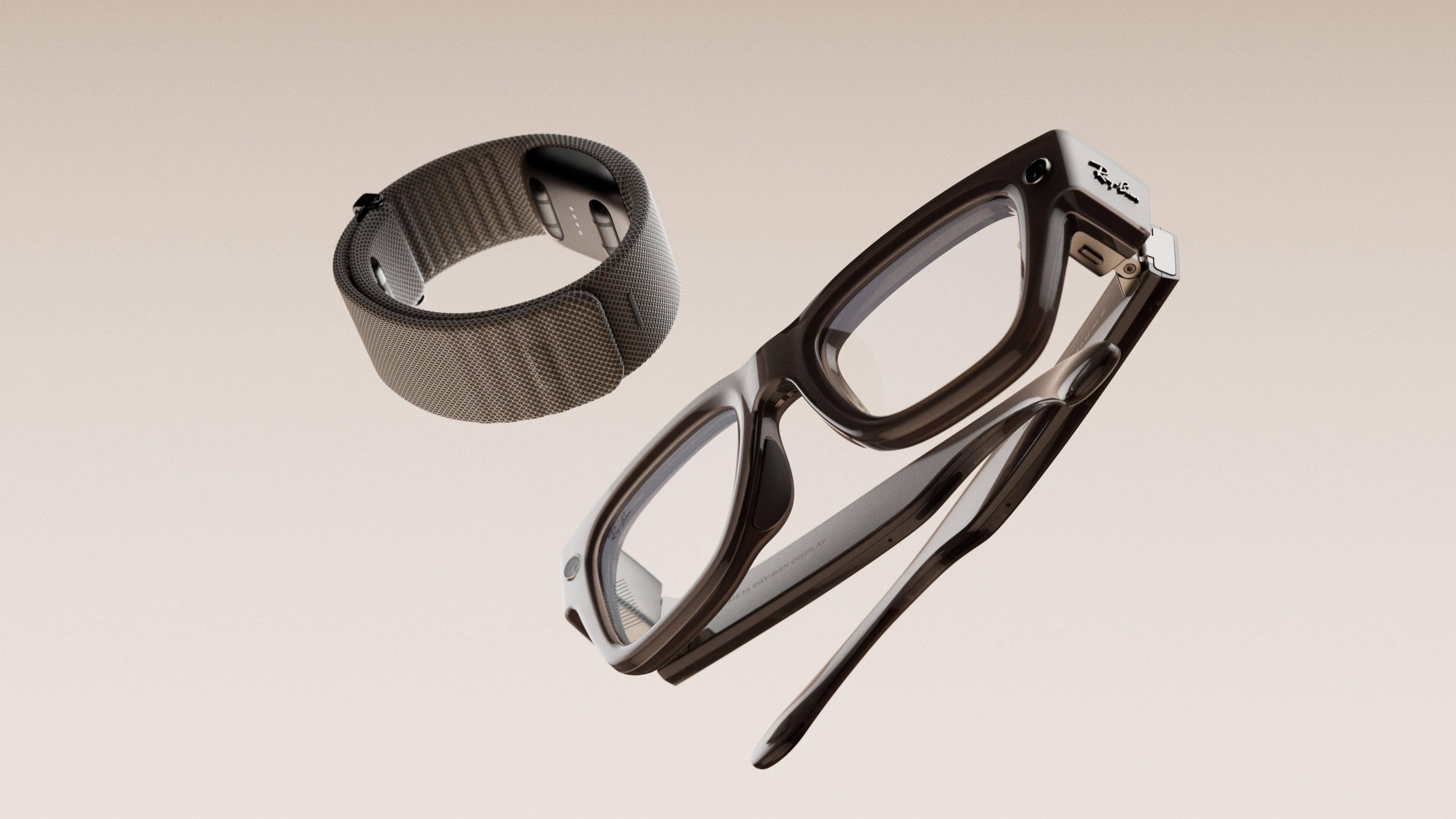
»The Meta Ray-Ban Display is significant because it explores the future of interaction beyond smartphones. It offers hands-free access and presence through smart eyewear, making information more accessible. The jury was convinced by the product's strong technical ambition paired with rigorous, iterative user research across hardware, software, and interaction design. The product excels through its holistic integration of in-lens display technology and EMG-based input, resulting in a subtle and forward-looking interaction model. Its clear UX structure, thoughtful voice, gesture, and display choreography, and attention to privacy and inclusion demonstrate high craftsmanship and strategic intent.«
UX Design Awards Jury 2026 Spring
And the award goes to...
Three questions to the project team
What was the particular challenge of the project from a UX point of view?
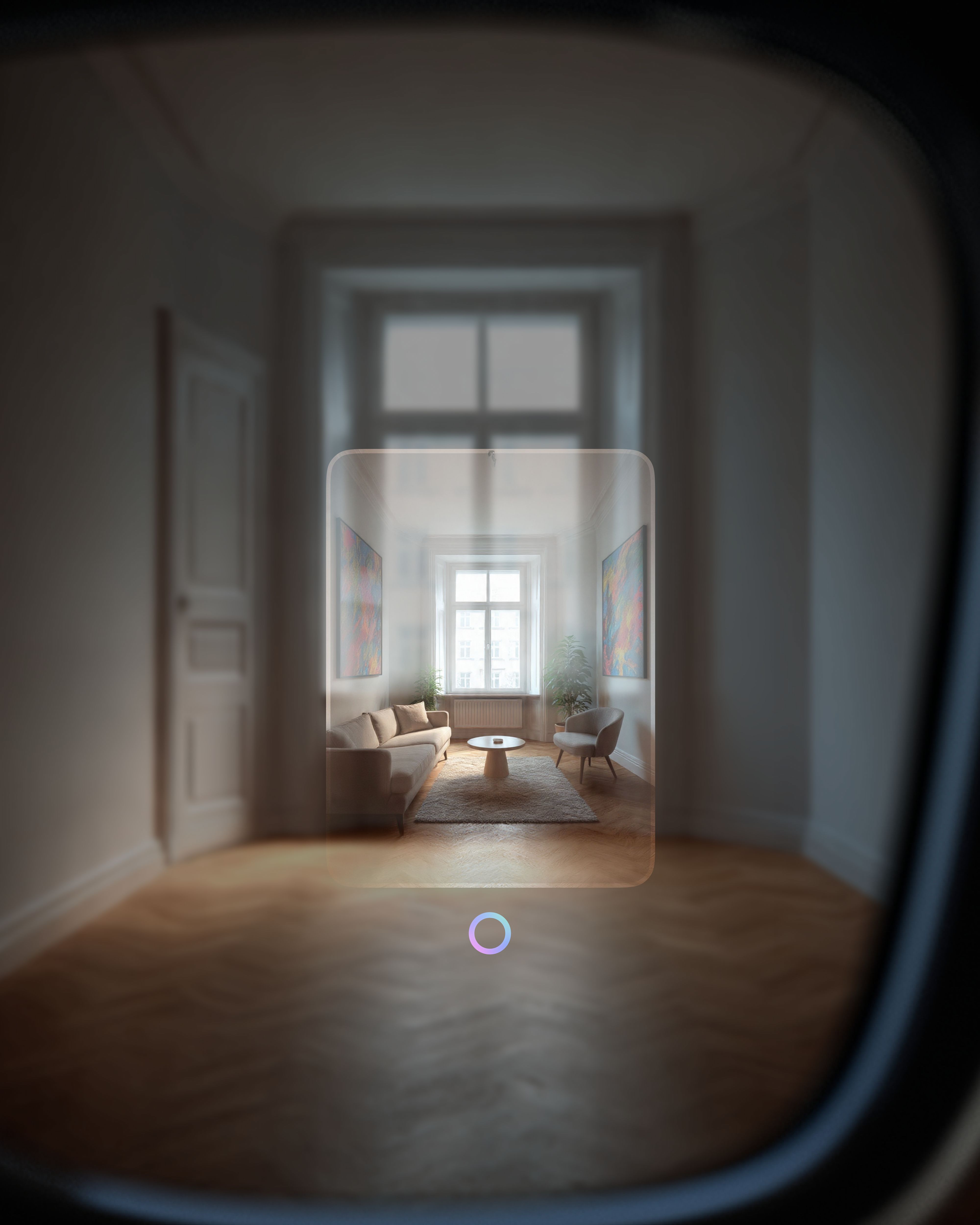
Balancing the intricate choreography between neural inputs, voice interaction, and display feedback for an on-the-go experience was the primary challenge we faced designing Meta Ray-Ban Display. In addition to these, working with a novel display introduced unique hurdles, such as optimizing visibility in various lighting conditions and designing a UI that remains intuitive on an unconventional display surface. We put immense pressure on defining a system that is intuitive, respectful of presence, and seamless. Years of design, research, and iteration went into creating a system that prioritizes discrete and intuitive user control and blends seamlessly into people’s personal ecosystem.
What was your personal highlight in the development process? Was there an aha!-moment, was there a low point?
The first successful integration and interface control using the Neural Band represented a significant milestone in our development process. It was very early in the exploration phase of our initial prototypes, but the convergence of the display and band proved to be a pivotal development. The ability to interact with the UI by reading electrical signals (generated by your muscles to detect subtle rotation of the wrist or a simple thumb gesture) demonstrated the potential for seamless interaction between wearable devices and user interfaces, marking a pivotal moment in the development of accessible and innovative AR technology.
Where do you see yourself and the project in the next five years?
Five years from now, more people will leave phones in their pockets, or even at home. Future generations of glasses will become the medium through which your digital world seamlessly integrates with your physical world by understanding you, the context you are in, and what you are trying to achieve. Advanced AI models will provide personalized, proactive assistance while continuously learning to anticipate user needs. They will help you stay ahead of daily tasks and keep you more connected than ever with those you care about. Our team will continue to evolve to meet those needs, becoming even deeper experts at leveraging multiple input and output mediums to create natural interaction patterns and polished UI/UX for in-lens displays.