Designers
Naru Kang, Hyunsung Kim, Hyejung Won, Jayun Ku
Year
2026
Category
Product
Country
Korea, Republic
Design Studio / Department
Product
»Silvia screening is highly relevant because it addresses screening anxiety, which is a critical barrier to early cognitive care in aging societies. The jury was convinced by the team's evidence-based insight that technical accuracy alone is insufficient and by their redesign of confusing results into clear, risk-based guidance. The work demonstrates a strong focus on senior-first UX, integrating clarity, accessibility, and emotional sensitivity to minimize cognitive load and stigma. By connecting screening with subsequent actions, the team transformed a delicate clinical moment into a practical, human-centered starting point for early brain healthcare.«
UX Design Awards Jury 2026 Spring
And the award goes to...
Three questions to the project team
What was the particular challenge of the project from a UX point of view?
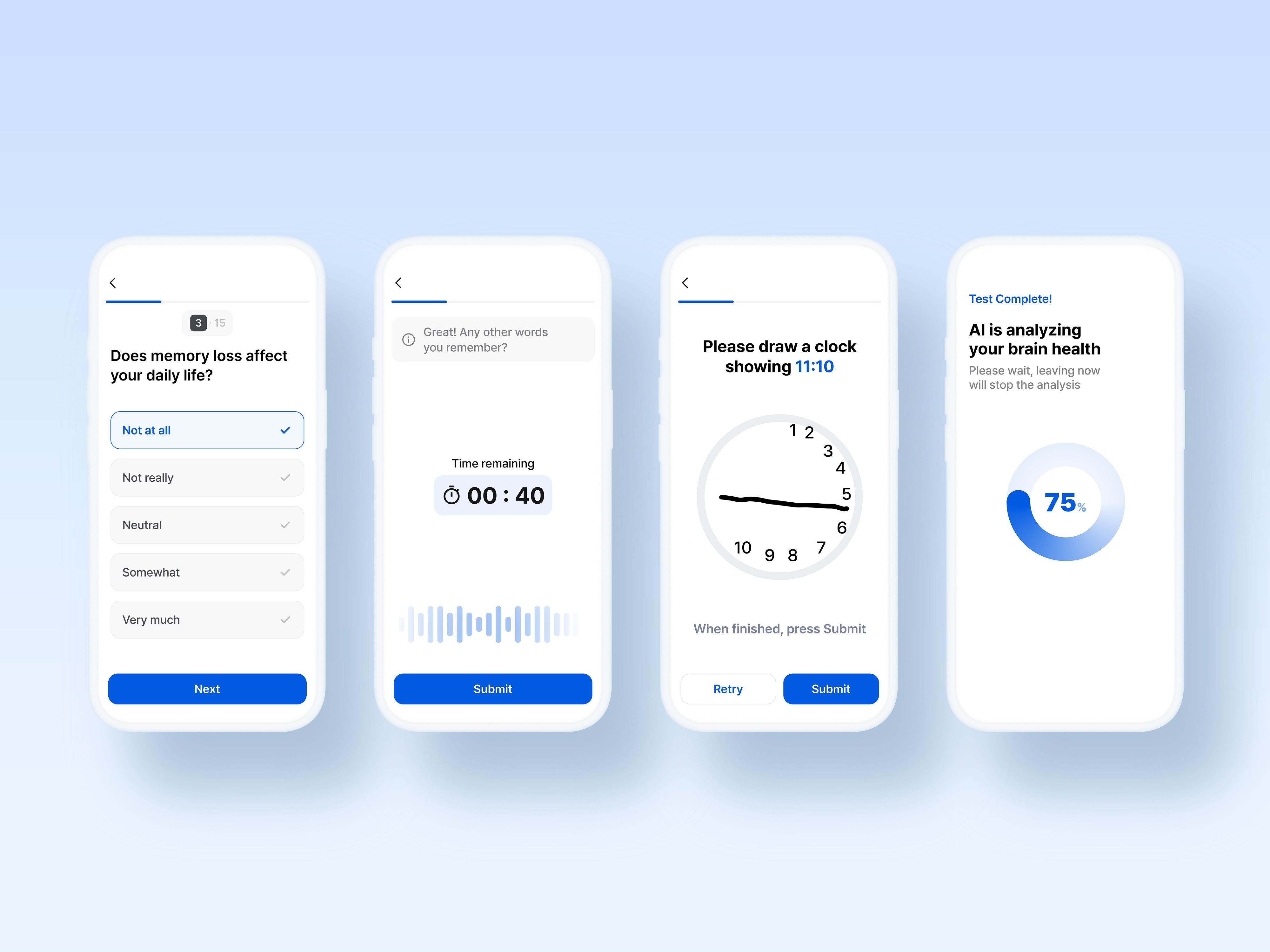
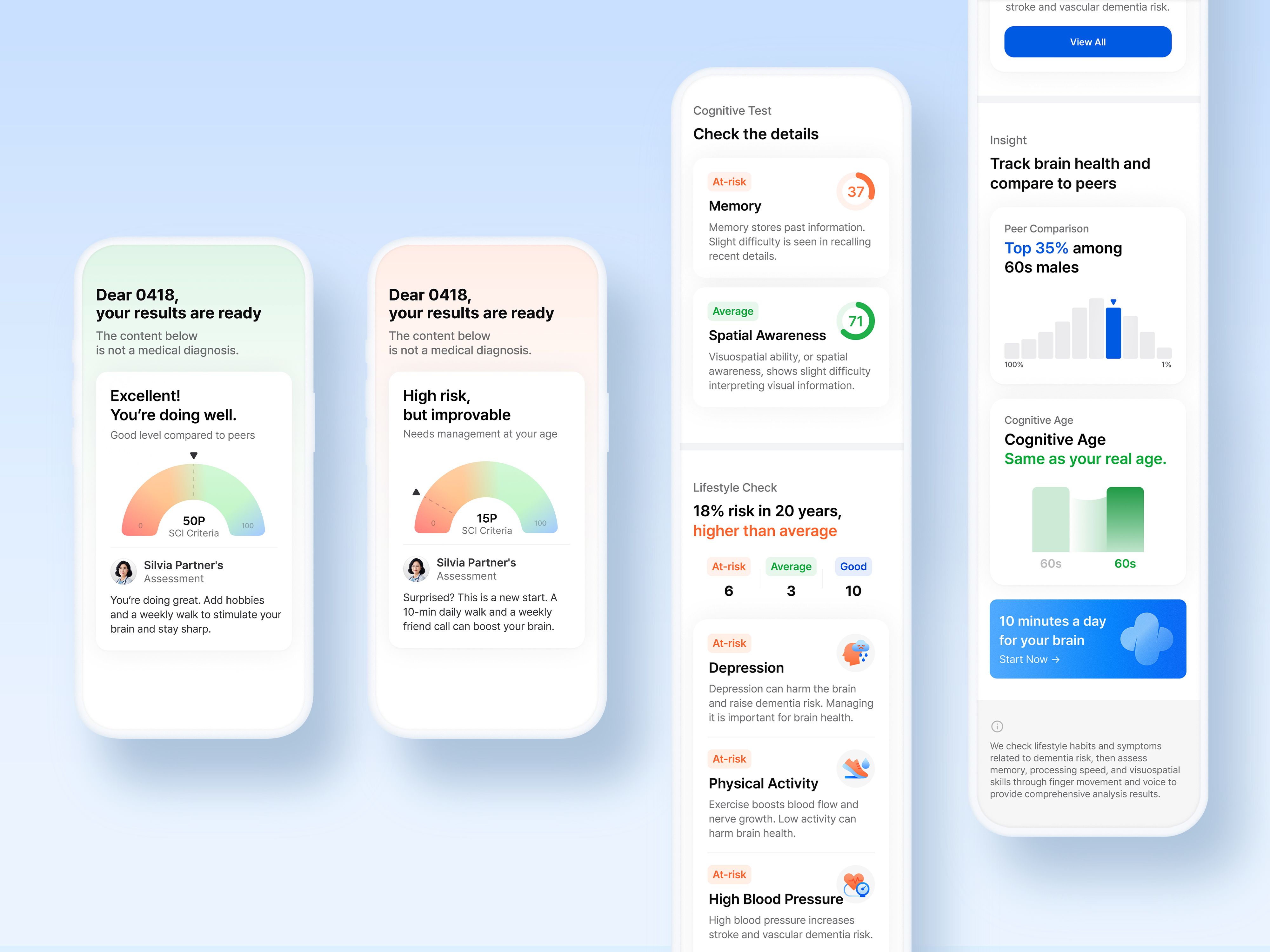
The primary challenge was bridging the profound emotional gap that occurs after a cognitive test. Research showed that providing a numerical score without guidance acted as a passive judgment, triggering significant post-result anxiety. While our digital interface was accessible for seniors, users felt paralyzed because the journey ended with the score. We realized that data alone does not create health; direction does. Consequently, we redefined the project’s goal, pivoting from a clinical diagnostic tool to a supportive guidance system. The challenge was to design a seamless transition where the result becomes an active starting point for a personalized plan, ensuring no user is left in a state of helplessness.
What was your personal highlight in the development process? Was there an aha!-moment, was there a low point?
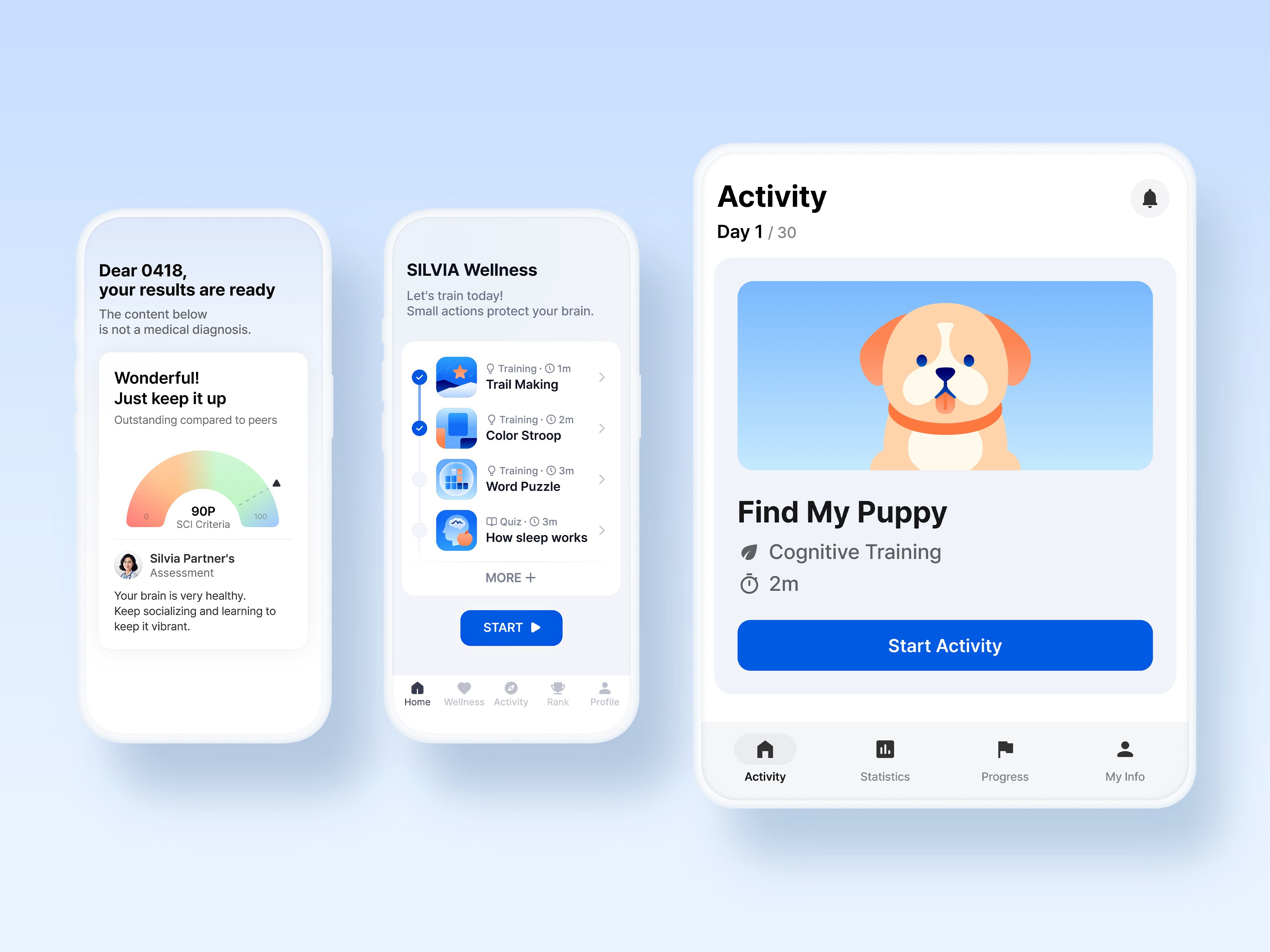
A significant low point was realizing that accurate test scores alone increased user distress. Users felt judged and anxious, asking, 'What do I do now?'. The aha-moment occurred when we redefined the test as a bridge rather than a destination. This insight led to our 'Two-Path' innovation, directing users to wellness prevention or specialist care. The highlight was witnessing the emotional shift in later tests. When users received a clear plan instead of a number, their fear turned into proactive relief. We proved that design transforms clinical data into human support.
Where do you see yourself and the project in the next five years?
In five years, SILVIA Screening will be the global standard for proactive brain health. We see this project as a vital UX-Bridge connecting users, hospitals, and insurers worldwide. Our goal is for cognitive assessment to become as routine and accessible as a regular check-up, removing the fear of aging. We will continue integrating AI-driven insights with diverse healthcare ecosystems to provide precise, personalized care pathways. Ultimately, we envision a world where every senior is empowered to take charge of their health. We are leading a movement to redefine aging through human-centered technology.