Designers
Russell Hampton, Steve Croll, Lisa Loukas, Tom Bloomfield, Adam Robbins, Chris Carney, David Denni, Vitaly Babich, Hayley Somerville, Firdosh Tangri, Natsai Mandisodza
Year
2026
Category
Product
Country
United States
Design Studio / Department
Fantasy
Three questions to the project team
What was the particular challenge of the project from a UX point of view?
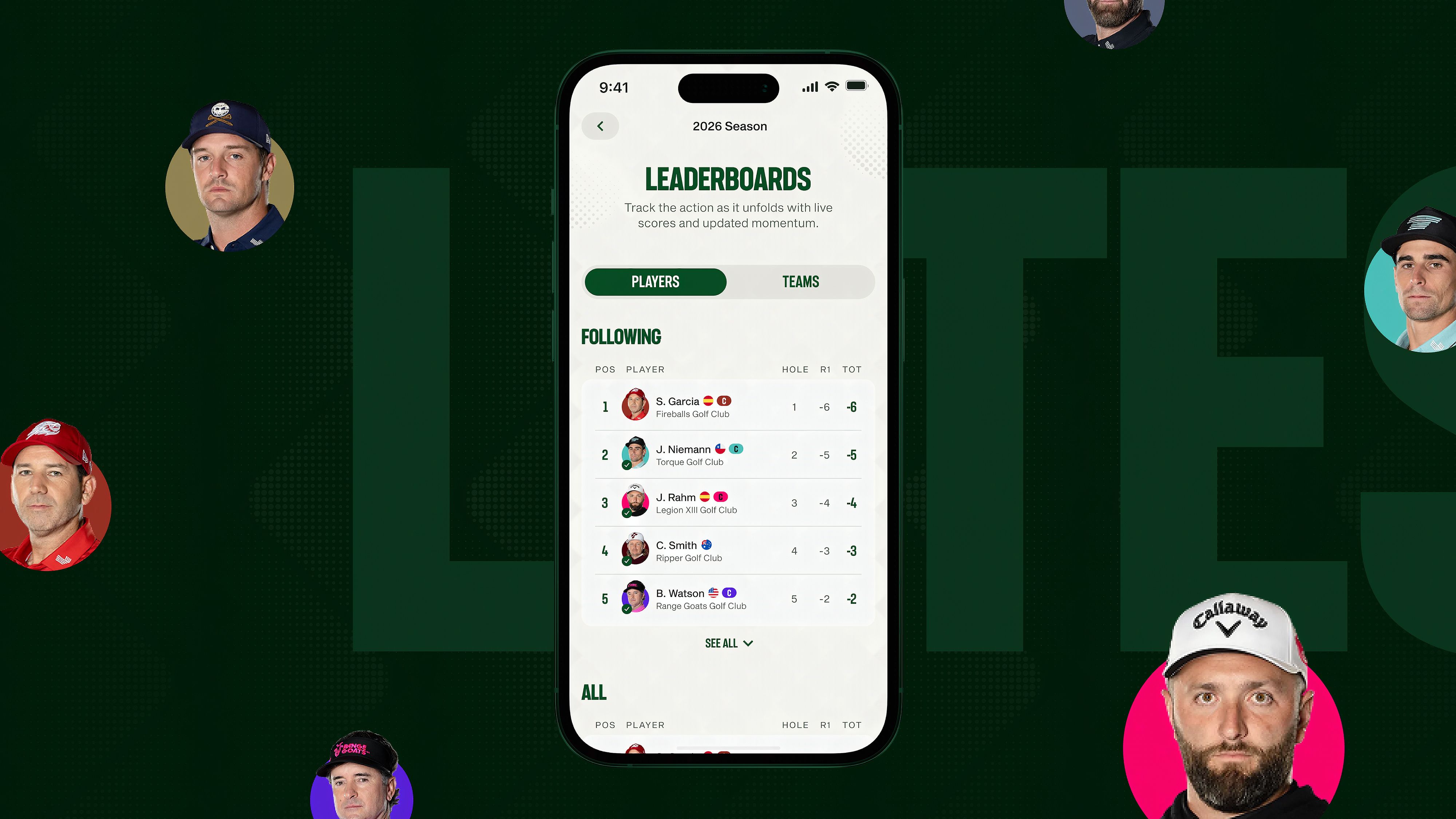
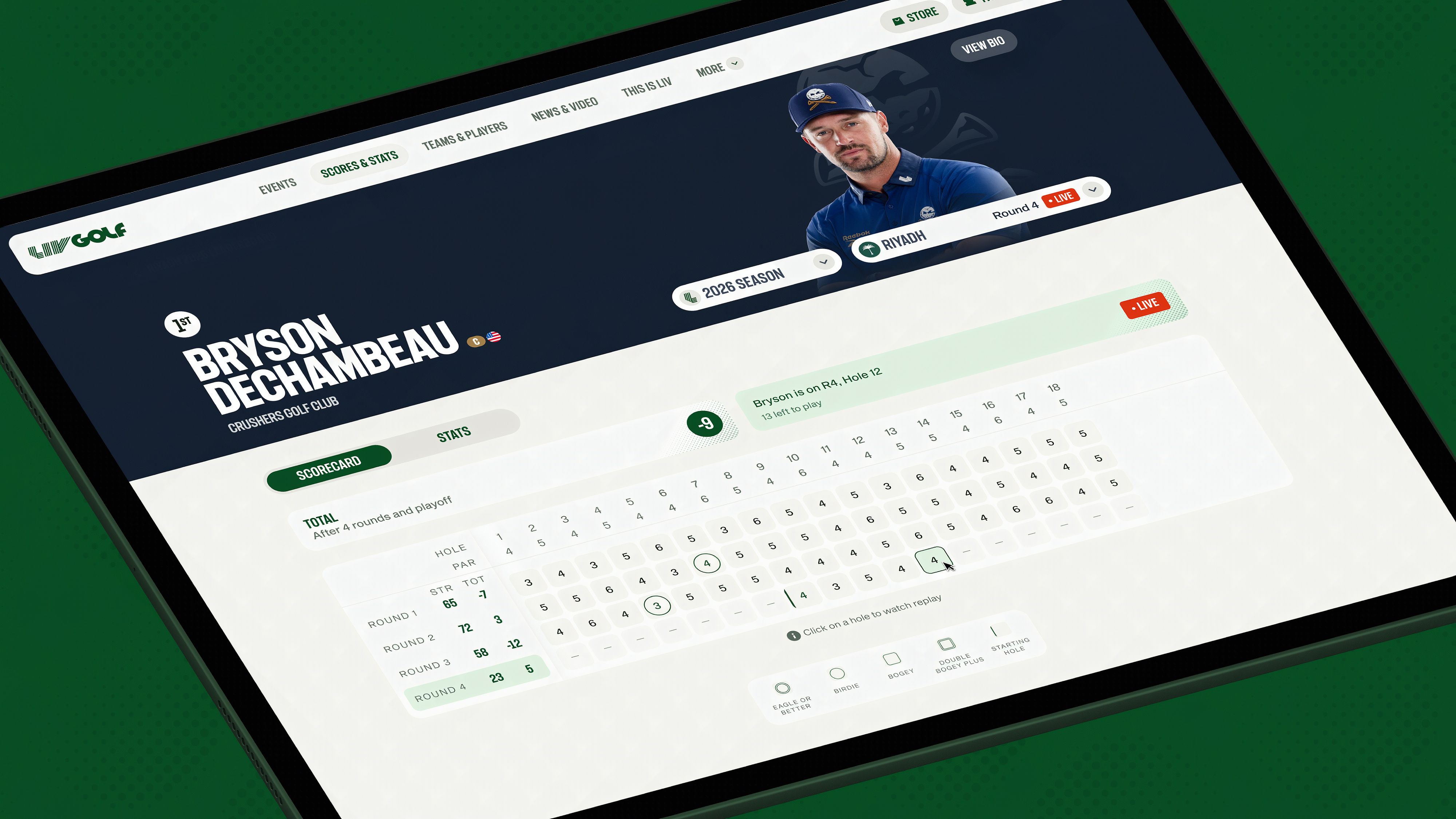
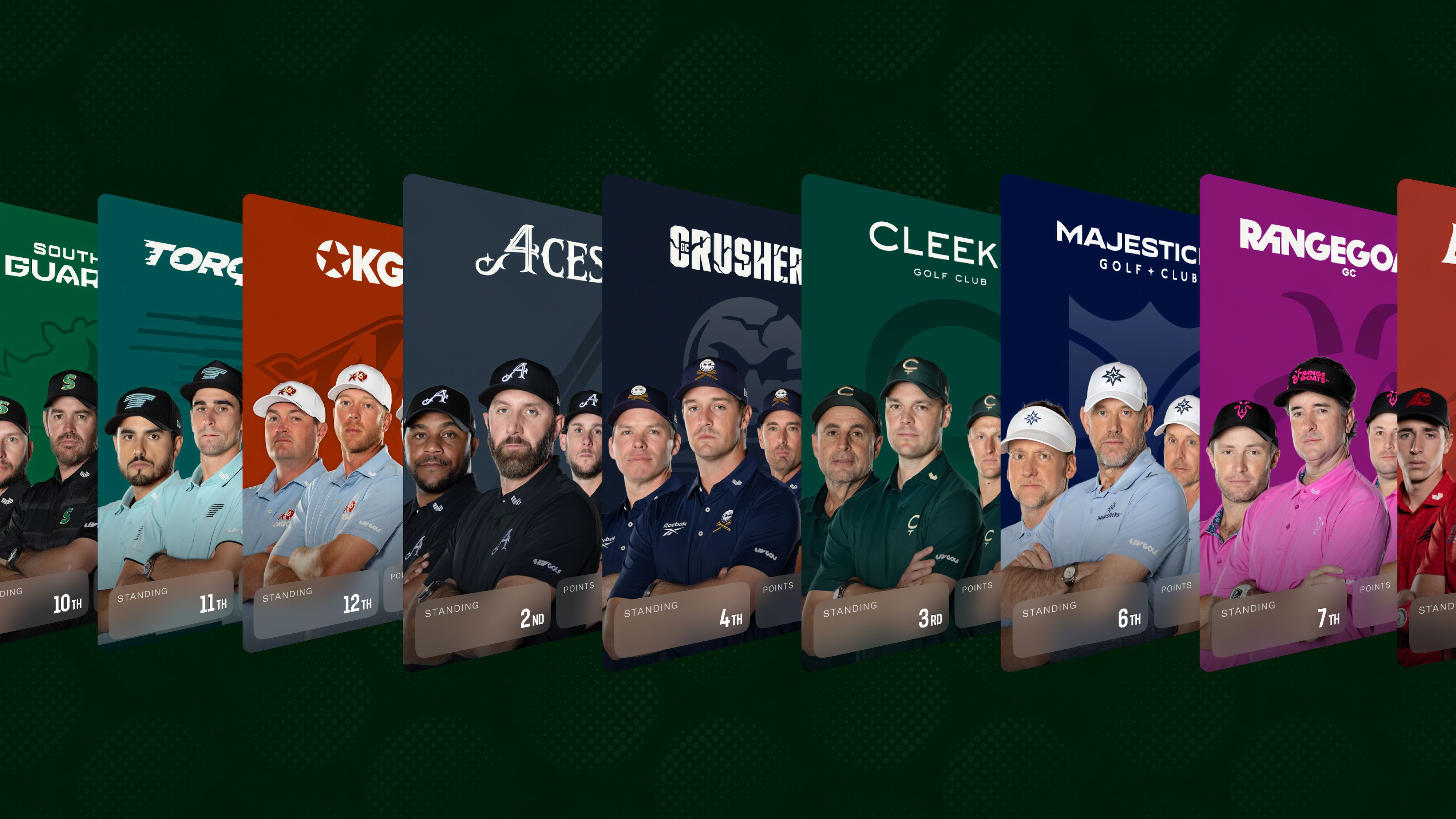
The hardest UX problem was holding scale and identity together. We rebuilt the whole LIV Golf app under a brand-new brand, and the team format meant 13 teams and 14 events each needed their own look, their own colors, logos, and event treatments, without the app turning into a patchwork. Each one had to feel like itself while the whole thing still read as one product you could learn once and use anywhere. We got there with a single flexible design system, built on tokens so the variation lived at the component level. It had to be sturdy enough to carry all of that, and lean enough to ship in 72 working days with no soft launch.
What was your personal highlight in the development process? Was there an aha!-moment, was there a low point?
The moment it clicked was when the design system actually held. Once the tokens could carry 13 completely different team identities through the same components, I knew the thing would scale instead of fall apart, and everything sped up from there. The hard part was having no soft launch. It had to work at full scale from the first live tournament, so there was nowhere to hide and no second go at day one. Watching that first event run live, with every screen updating at once, is the part I will not forget.
Where do you see yourself and the project in the next five years?
I think this shifts how a global sport brings its next generation of fans in. The older tours are built mostly for a North American crowd. This one was built for a global audience, and the team format gives it room to grow market by market. Five years out, the part I expect to last is the design system and the platform under it: something that grows as the audience grows, picks up new languages and local needs, and bends to new ways people want to follow their players and teams. And the way we built it, eight disciplines working as one team with no handoffs, is what carries forward.